Sacred Spaces, Service, and Architecture
Architecture is a complex profession. We are tasked with designing buildings, but there is so much more that we think about when we design. Coming from a construction background, I am always thinking about how all the pieces of a building are assembled. As architects, we also try to imagine how different types of people fit into our buildings, and how the connection between building, site, and humanity come together to create a place that inspires a unique experience.
Spaces can evoke a feeling when you occupy them. Living in Boston there are great examples of Sacred Spaces. Some of these places had a strong impact on me. I became fascinated by the way a designer can use light to focus attention within an environment to cause someone in the space to experience a spiritual moment.
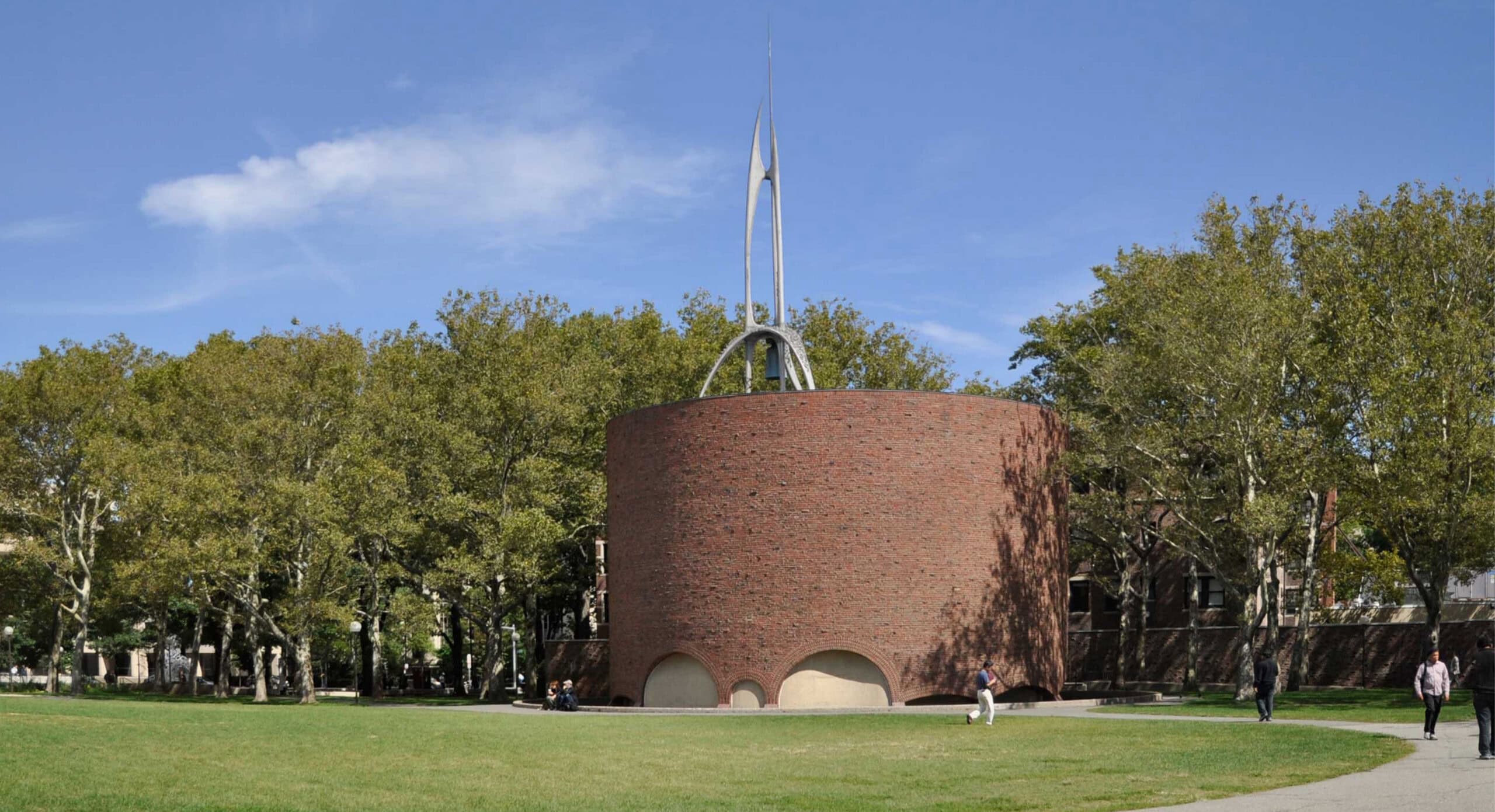
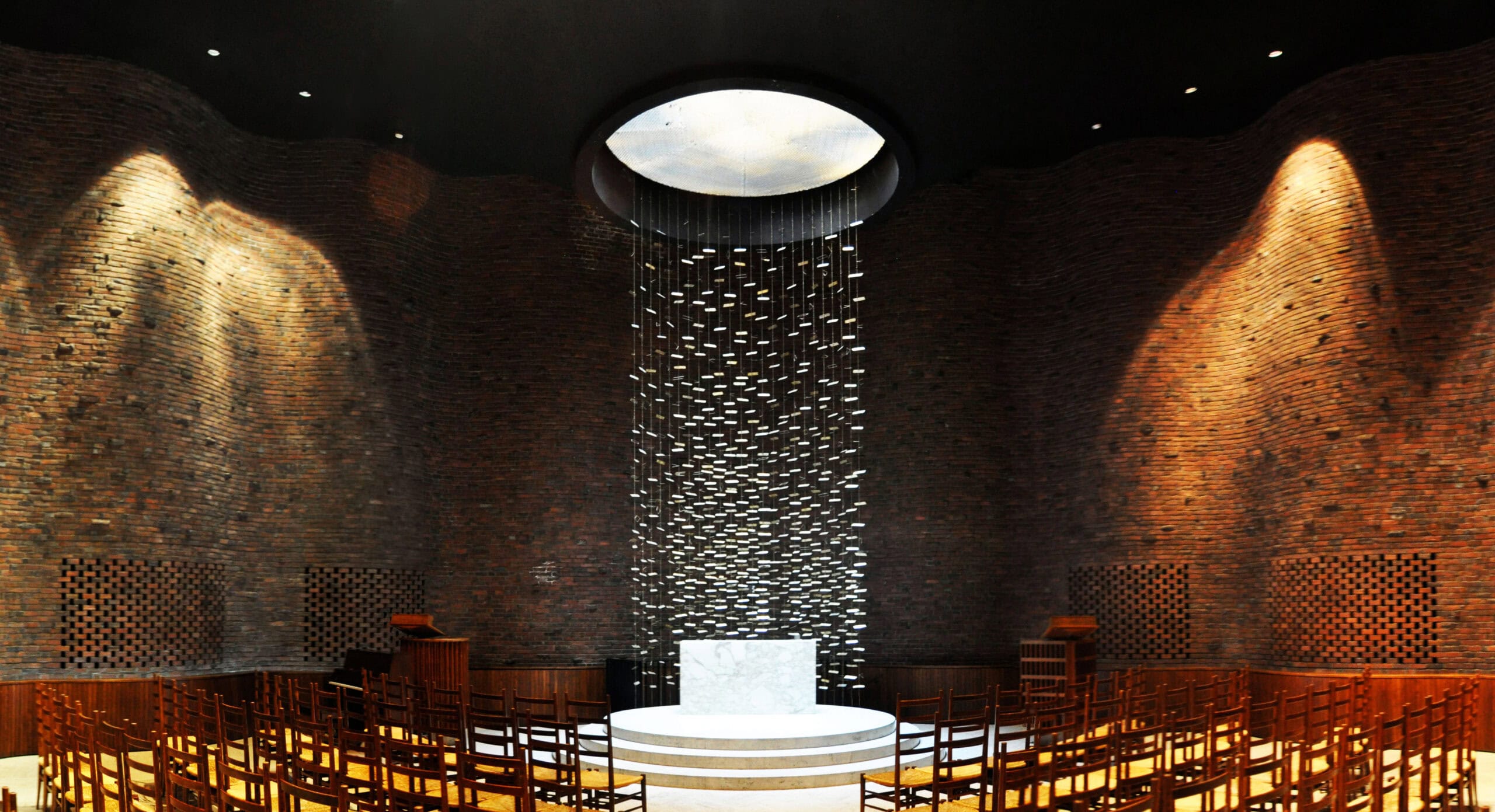
One example is the MIT Chapel, designed by Eero Saarinen in the 1950s. From the outside, it is unassuming: a small, round brick building in the middle of the campus with low copper roofs that come down almost to the ground. But inside, the light is carefully focused through stained-glass windows and reflected onto mirrored gold foils hanging above the central alter. The architecture creates a moment of reflection without ever having to tell you to reflect.
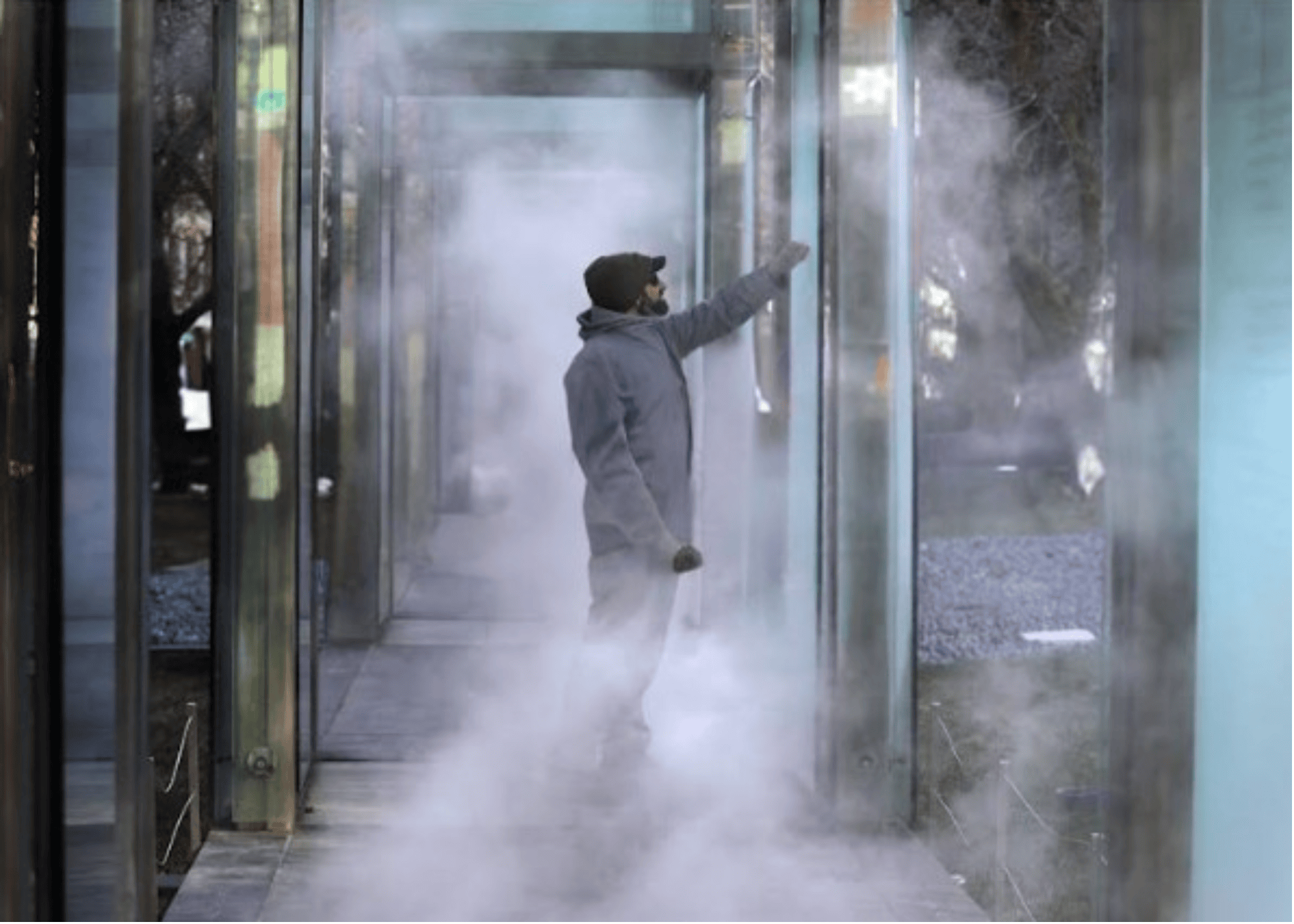
Another example is the Holocaust Memorial in downtown Boston (just outside our office on Union St.). The memorial is comprised of six tall glass towers through which steam rises, containing the names of six million people lost during this tragic time.
Towards the end of the Covid pandemic, our ART team visited the memorial on a cold January morning. It was Holocaust Remembrance Day, and I remember the rising steam underfoot was extra frosty that morning. We scraped the ice from the names etched into the glass so we could read them. It was a powerful experience that caused me to consider parallels between what was lost in World War II and what we lost during the pandemic.
So how does this relate to service?
At ART, we believe everyone should have the opportunity to experience good design – not just in grand cathedrals or famous buildings, but in the places where they live, worship, learn, and gather as a community.
After moving to Boston from the woods of Pennsylvania, there was a church in Arlington that drew my interest. This wasn’t your typical New England church; symmetrical, white clapboards, with a center door oriented toward Main Street. This church was built in the 50s. It was a modern brick structure with large overhangs. Inside, the wooden trusses carrying the roof felt as if Noah’s Ark had been flipped upside down, protecting us from the outside world. Large windows and a protective porch roof at the entrance invites you in through the side of the narthex. Warm wood pews and brick walls focus your attention towards the alter where filtered, colored light floods the space for Sunday morning services. After the service we all gather together greeting the pastor, leadership members, and guests as our own.
Places like our small Congregational church are all over New England. They show how even a modest sized organization, governed by their own members, can have a tremendous impact on its community, and draw people together to have a sacred experience in their own way.
Park Avenue Congregational Church drew me in, and as an architect, I was the natural choice for Property Deacon. As with any old building, we are constantly improving the structure for the people who use it. I’ve completed various projects, some alongside other members of the church who share the same passion for buildings and for helping others. We created a fellowship room out of an old basement chapel, removing the asbestos floor and finishing the CMU block walls. We rebuilt the hundred-year-old kitchen and bathrooms to make them more inviting spaces for community dinners and for church members to gather. We also added an elevator and an access ramp at the front entrance to provide accessibility to all.
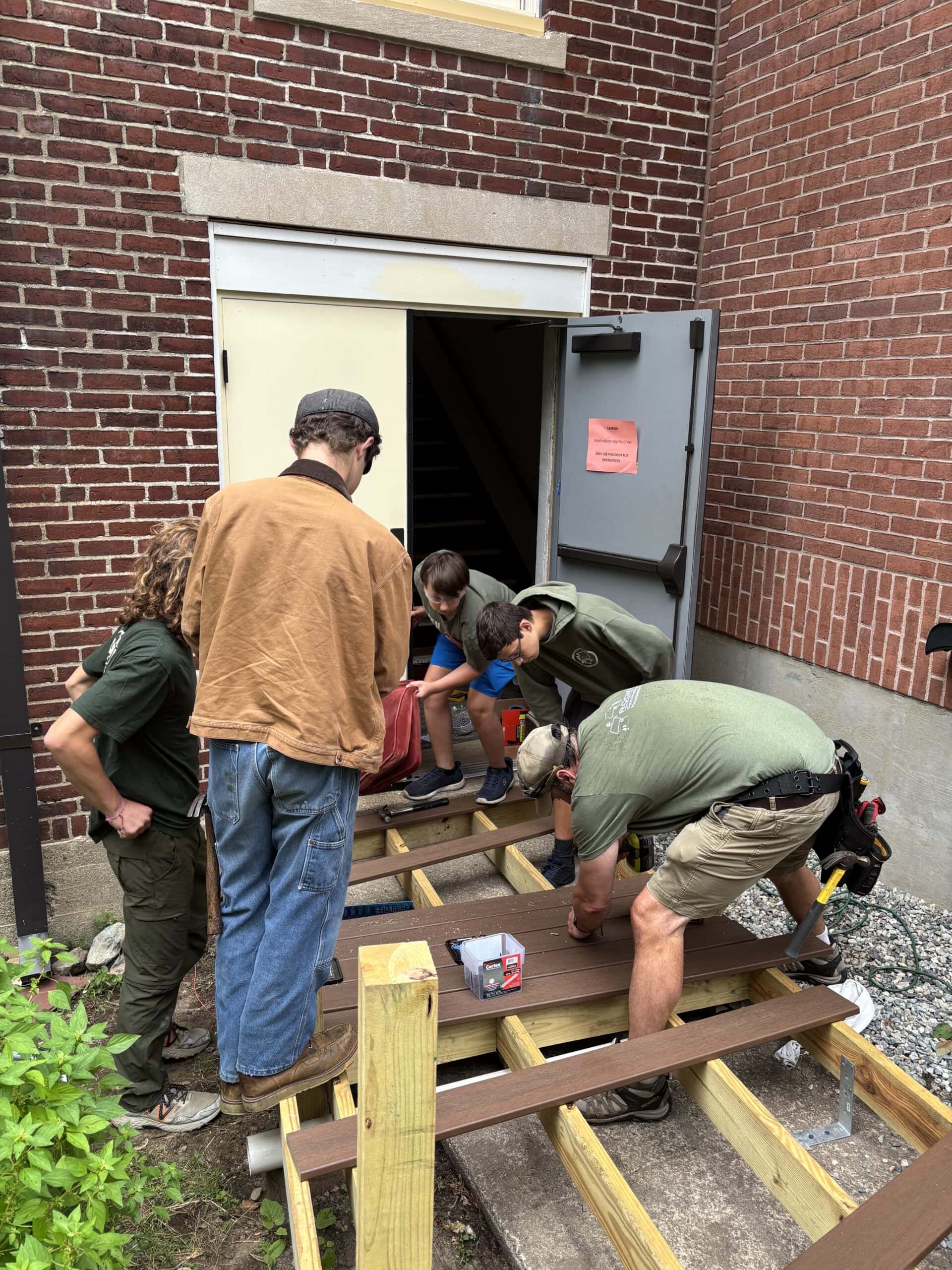
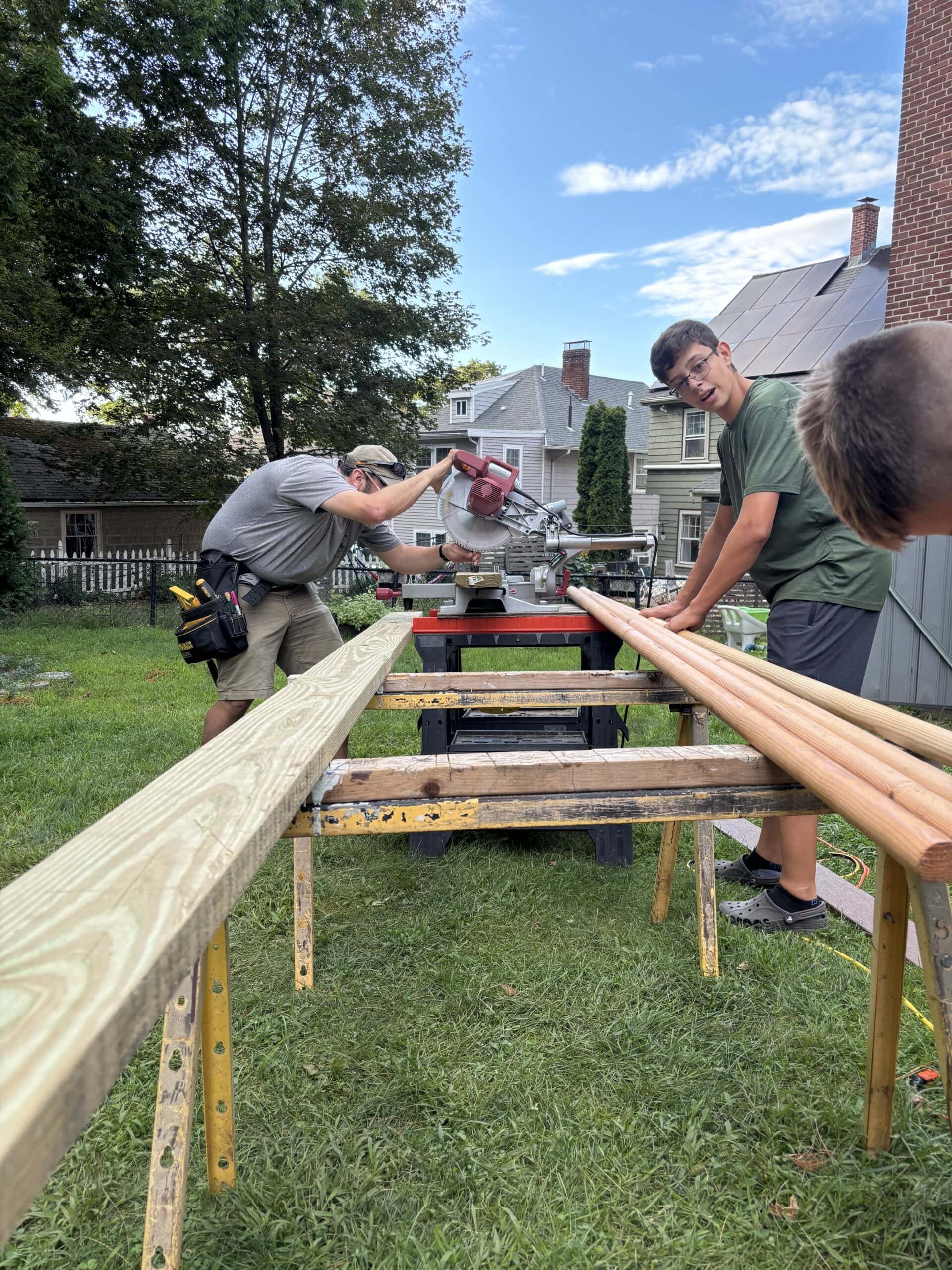
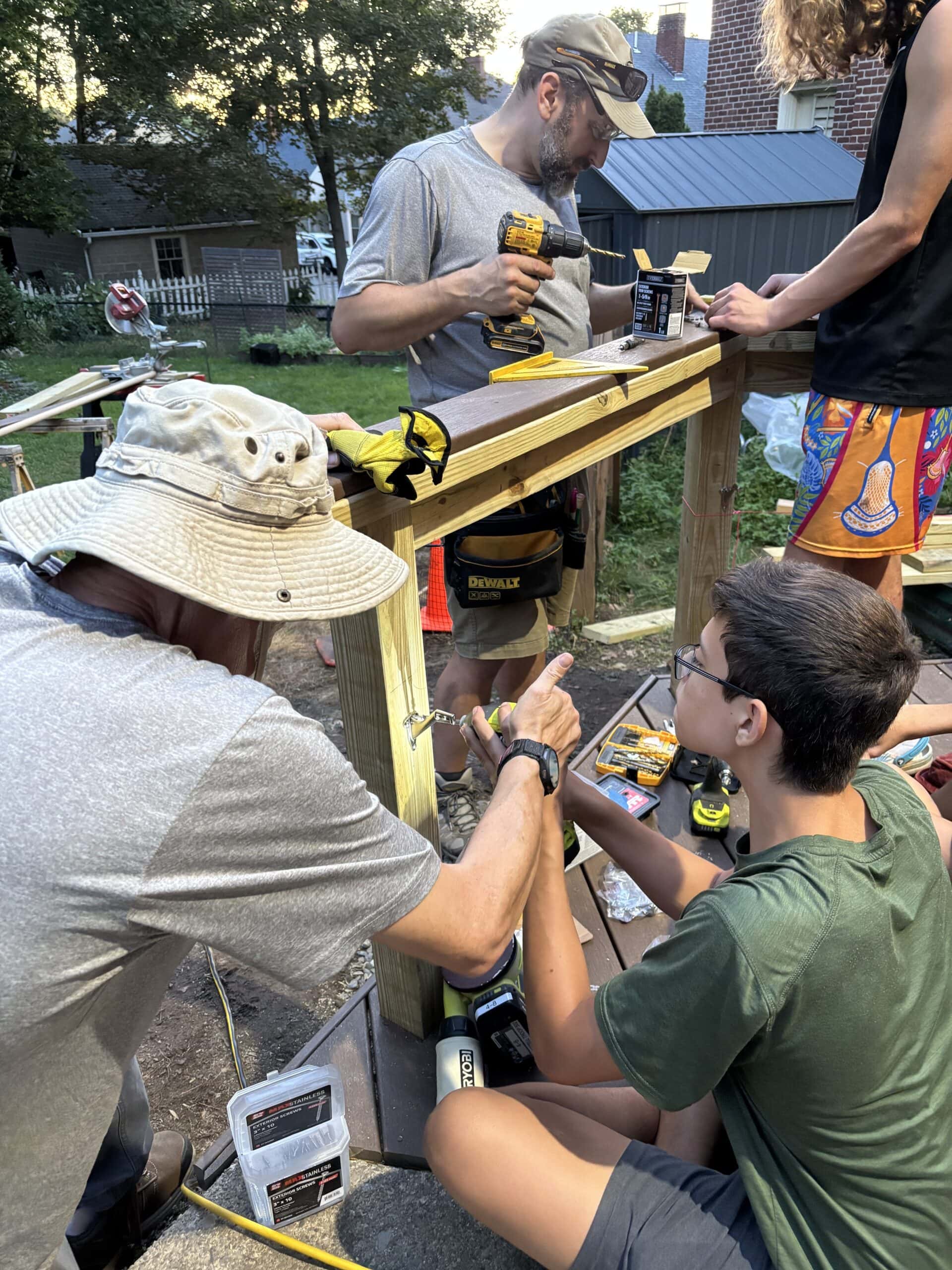
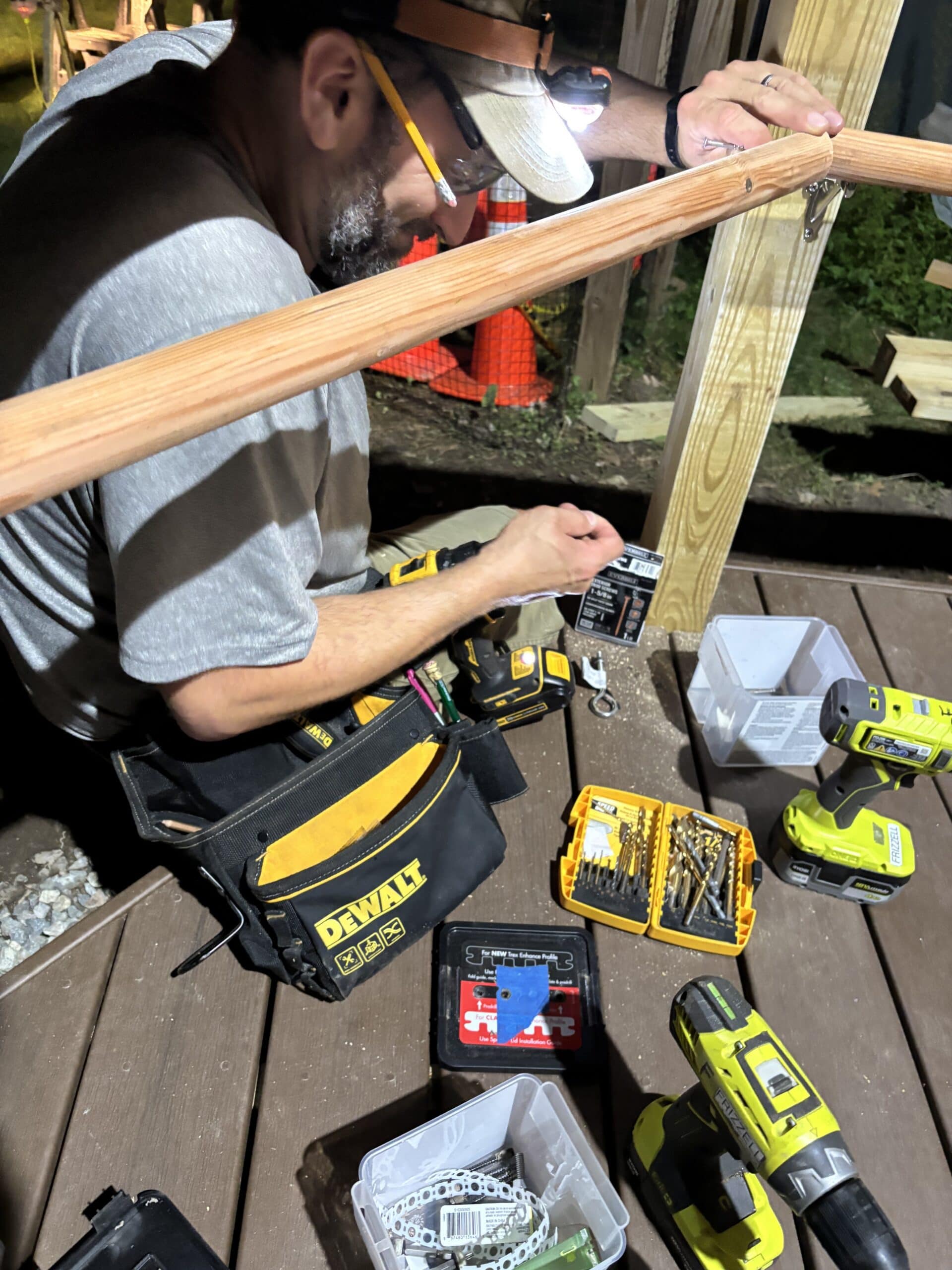
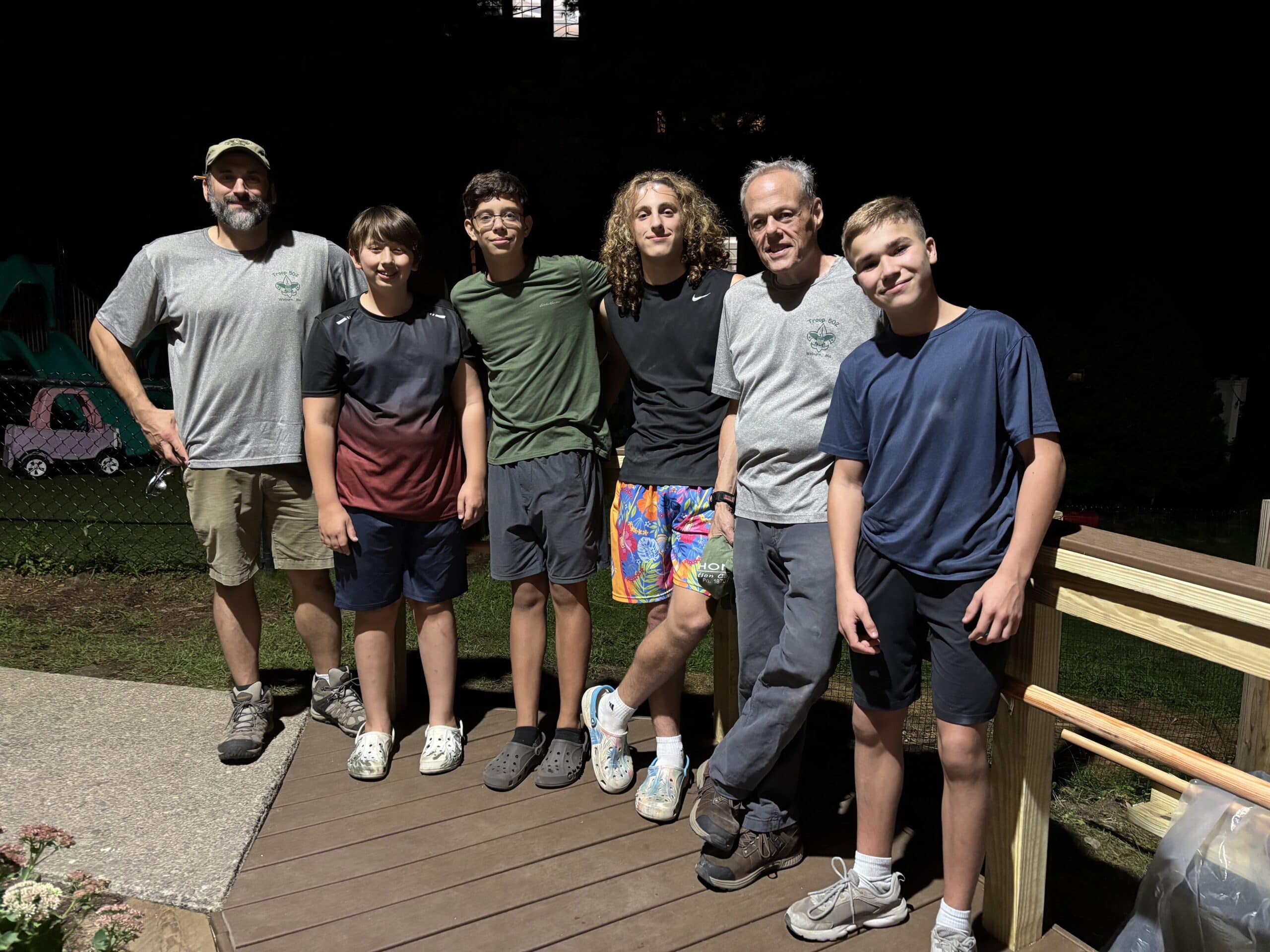
The latest project is the one I am most proud of: for his Eagle Scout project, my 14-year-old son rebuild an old, rotted ramp connecting the back of the church to the adjacent playground. His project provided the daycare tenant and the Sunday school children with safe access from their classrooms, through the garden to play.
The church is one place I have found value in service. Coaching, being a Scout leader, and also attending the Pro New England Career Day are others. Events to spark interest in others who might not seek out our passions might help them find their way.
Architecture gives us the ability to shape spaces. Service gives us the opportunity to use those abilities for other people. Providing opportunities to pass on our knowledge to the next generation is not only rewarding for the person learning these skills, it also is a joy for the mentor teaching them.
So, whatever talent or skill you have, remember we are each a product of our community so share your skills. You never know what kind of spaces – or what kind of person – you might help build.