Lineage, Legacy, & Literature
What does it mean to be at ART in 2025, a quarter of the way into the twenty-first century? What intellectual ground supports the way we think about architecture—about buildings, drawing, language, and meaning?
We are now in the third generation of the firm. Many practices survive after their founders depart, but fewer sustain a continuity of thought. Shepley Bulfinch (Shepley Bulfinch Richardson & Abbott Inc.) carried forward the name of H. H. Richardson’s office, yet the intellectual lineage did not persist in quite the same way. ART, I believe, is different. The name has evolved slightly over time, but the underlying way of thinking about architecture remains connected to the ideas that founded the firm.
My wife, Dana, once mentioned that as a painter she can trace her lineage back to Titian through her teachers and their teachers. There is something compelling about that idea—that one’s work participates in a chain of influence extending across generations.
It made me wonder about my own intellectual and architectural lineage. Who am I connected to? What path of influence led here? Could I trace myself back to someone like H. H. Richardson? Even if the line cannot be drawn with precision, what matters most is our connection to one another at ART through a shared set of ideas about architecture.
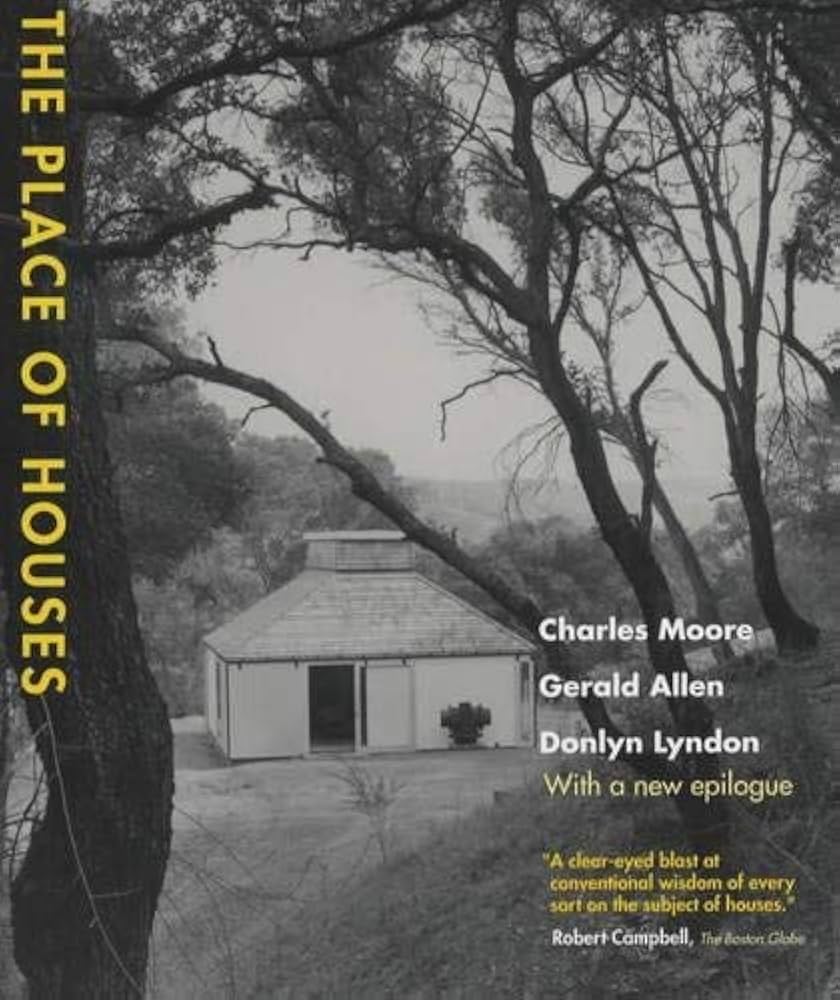
Those ideas emerged in the late 1960s, shaped in part by a reaction to Modernism and by the writings and teaching of Charles Moore. To work here is to stand within that lineage, whether we consciously recognize it or not. Ideas pass through teachers, mentors, colleagues, and offices. That is how traditions endure.
Which brings me to books.
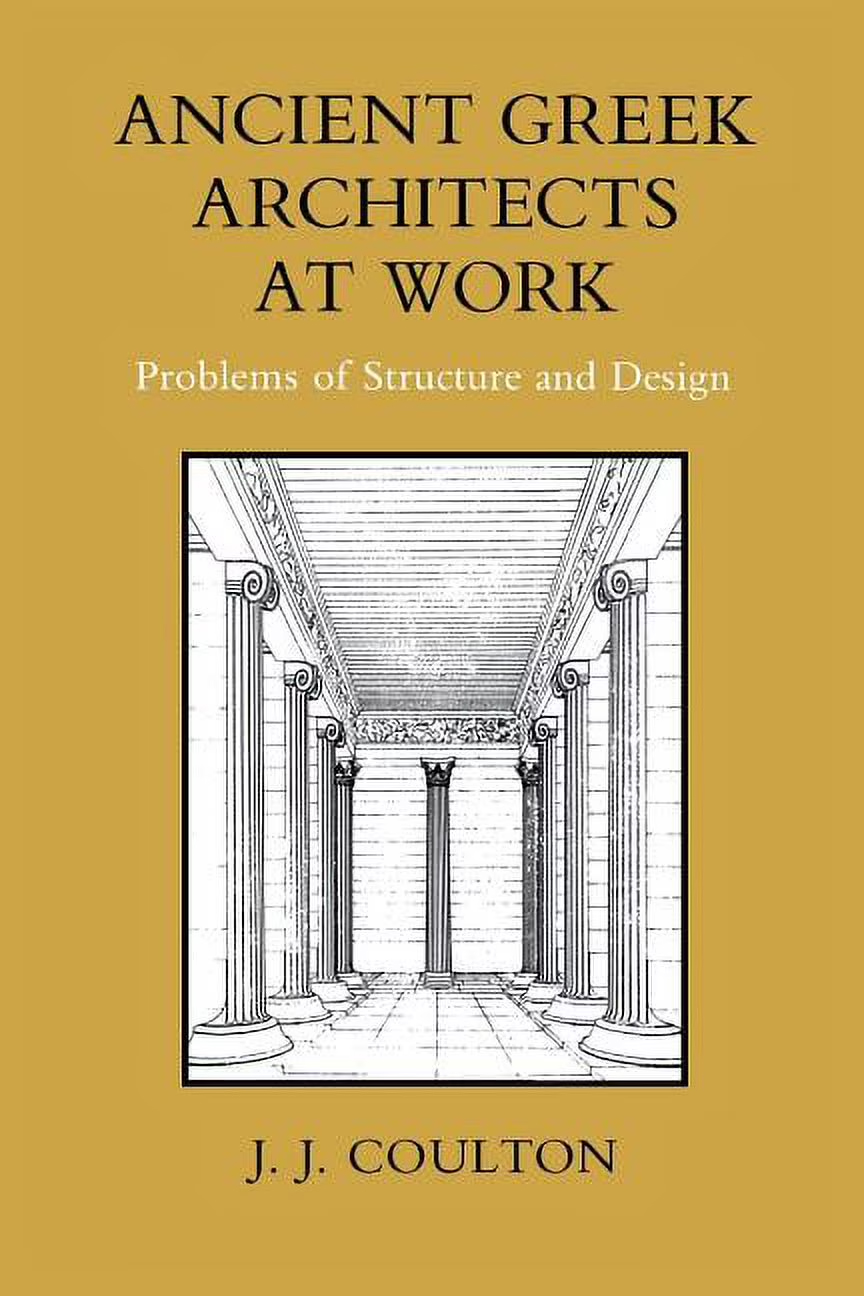
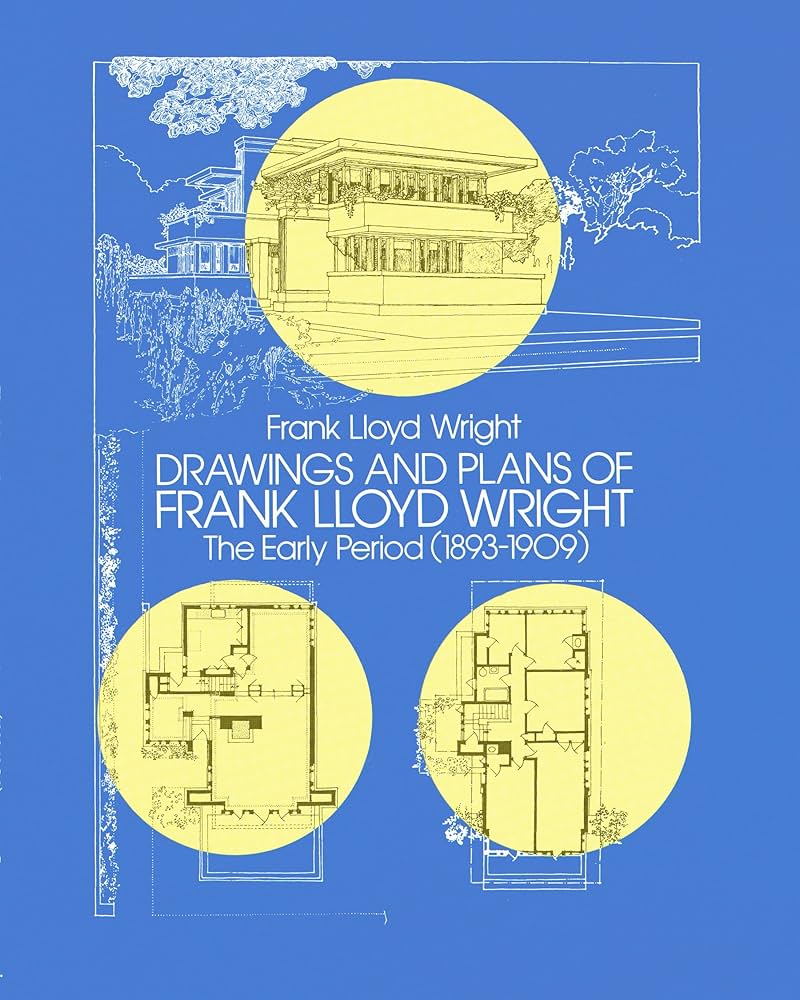
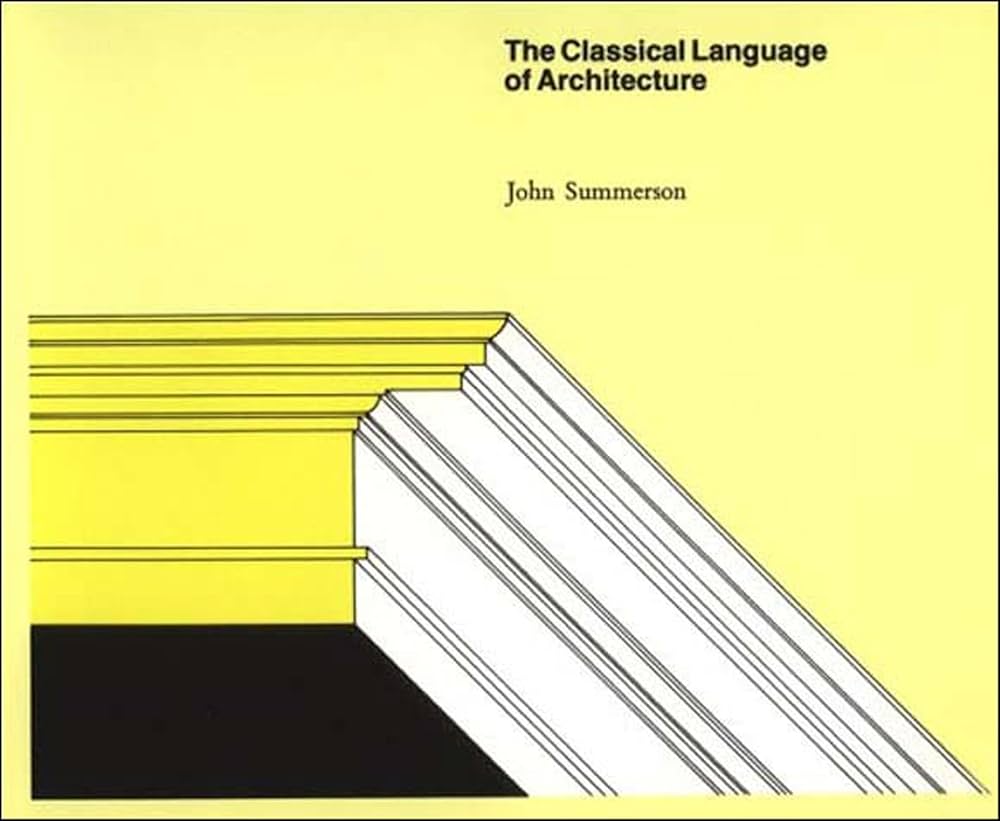
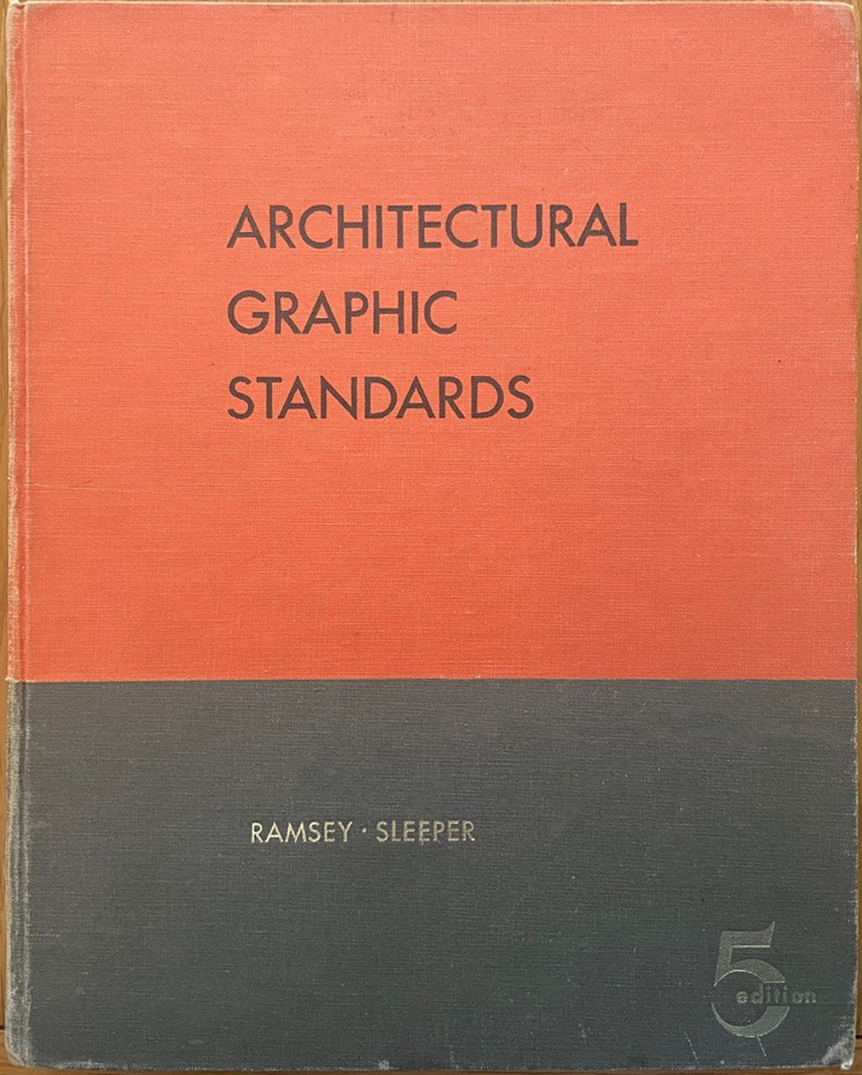
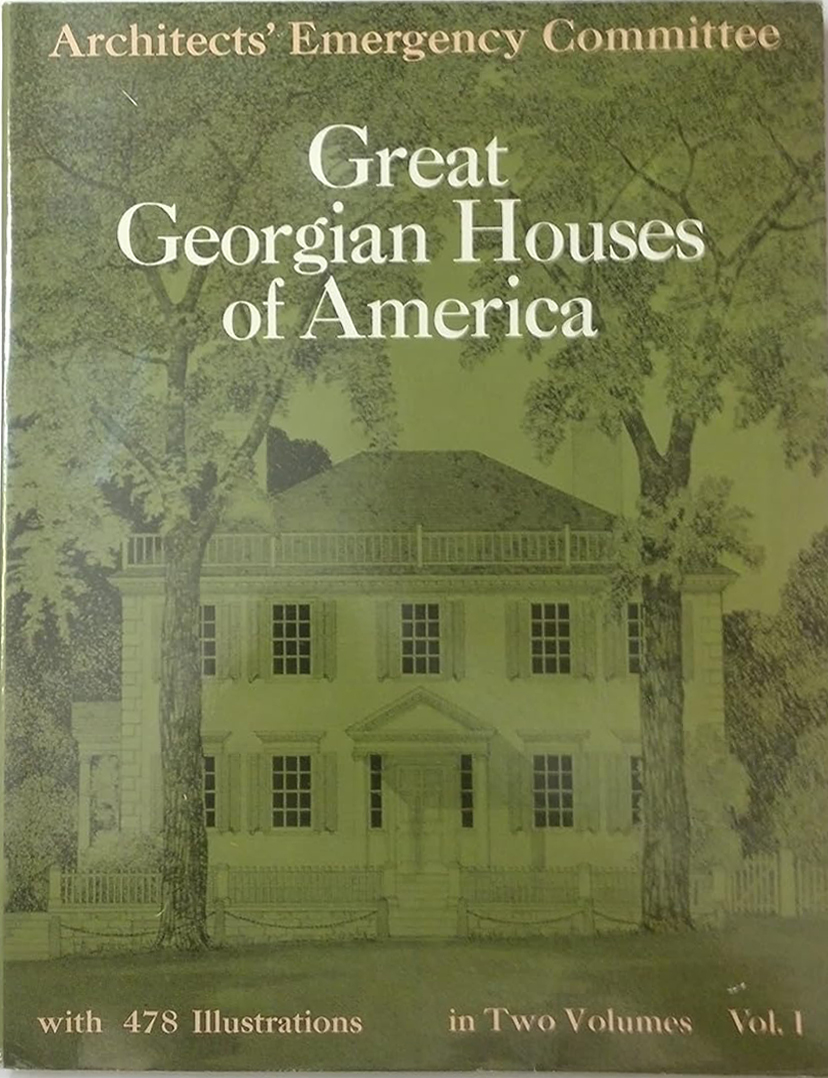
For centuries, books have been one of the primary ways architectural ideas travel across time. Vitruvius. Palladio. Stuart and Revett. Asher Benjamin. Le Corbusier. Architecture has always been a conversation carried forward in print.
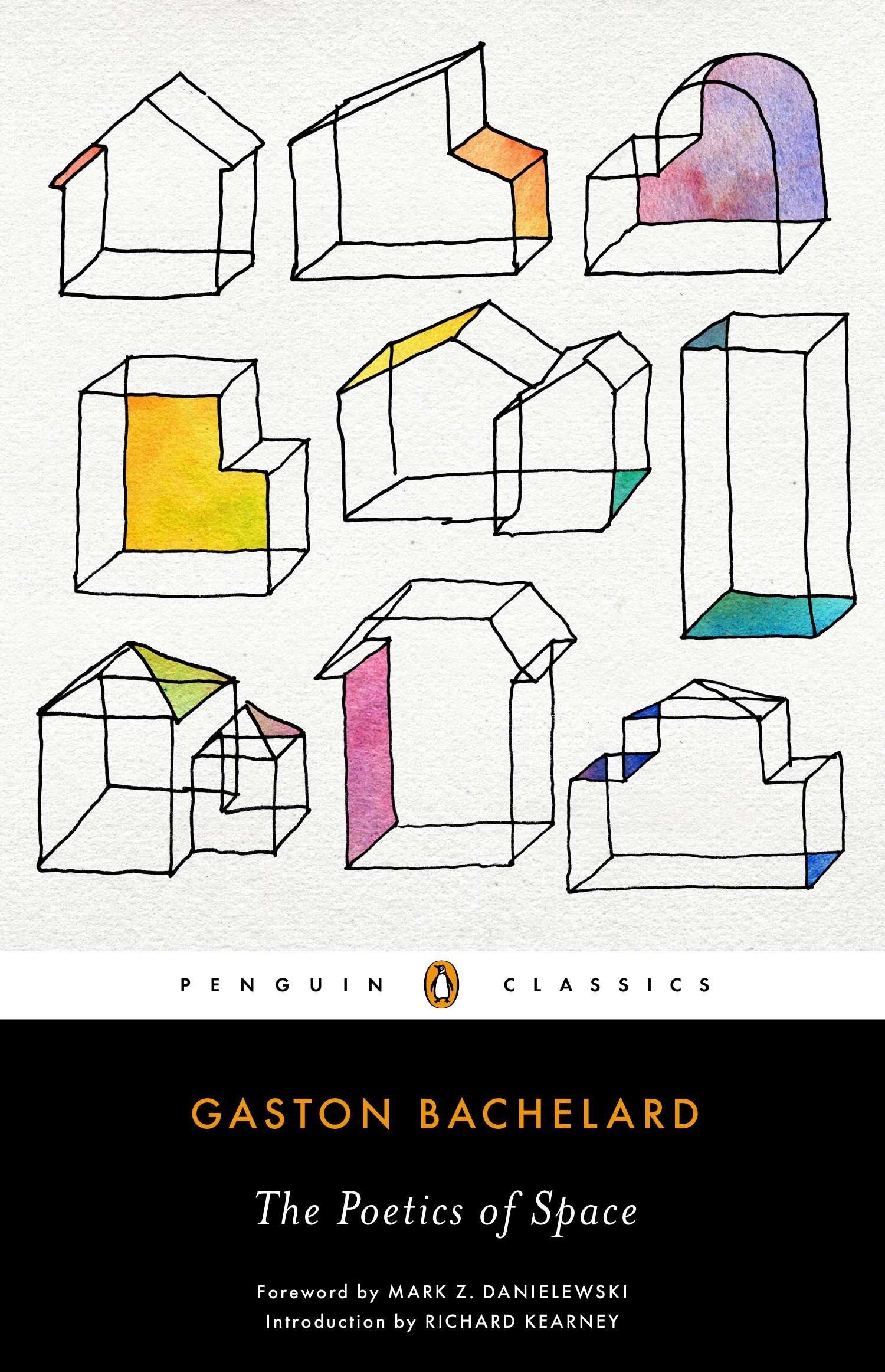
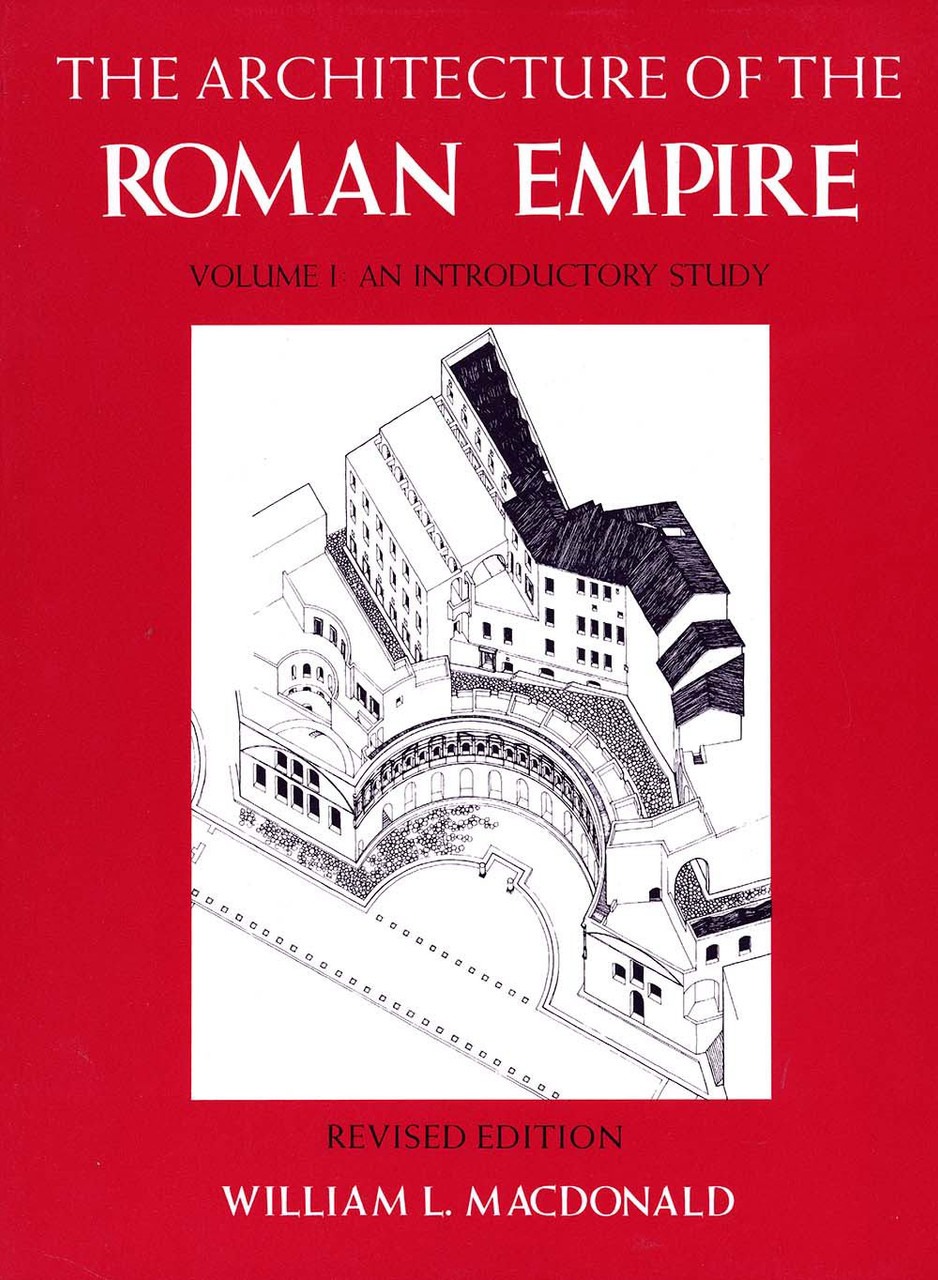
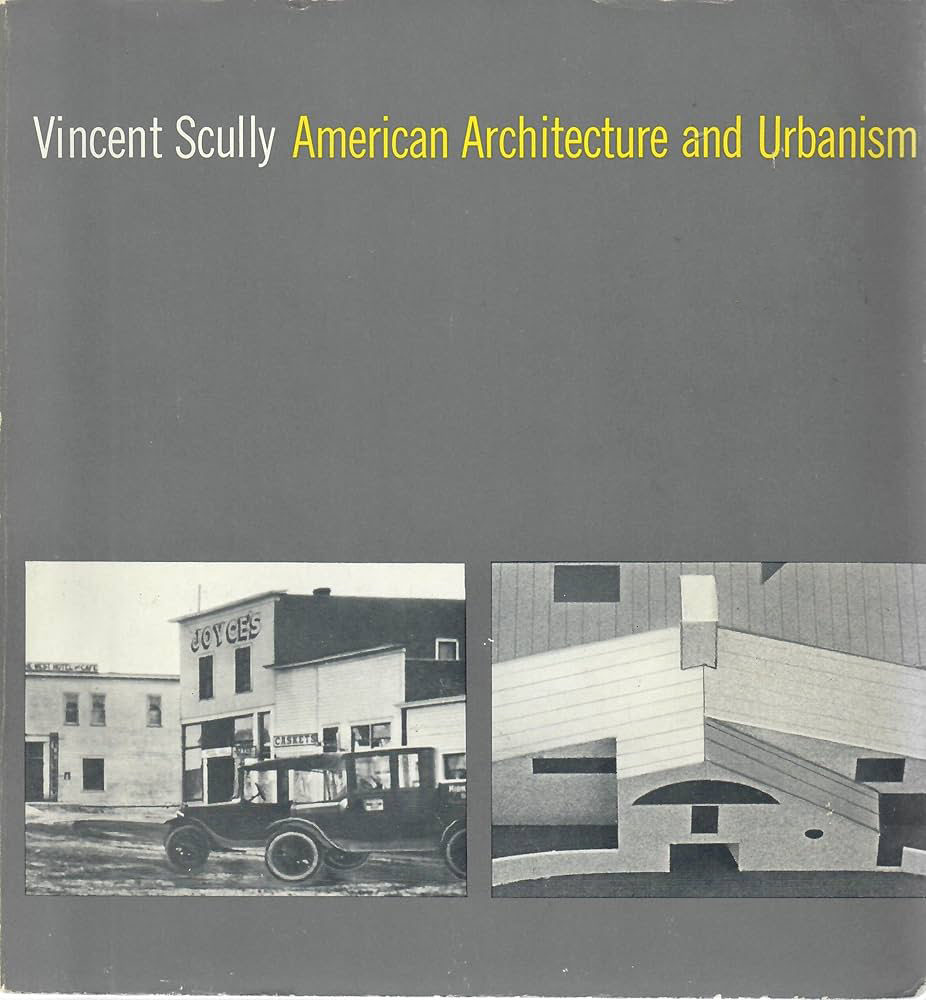
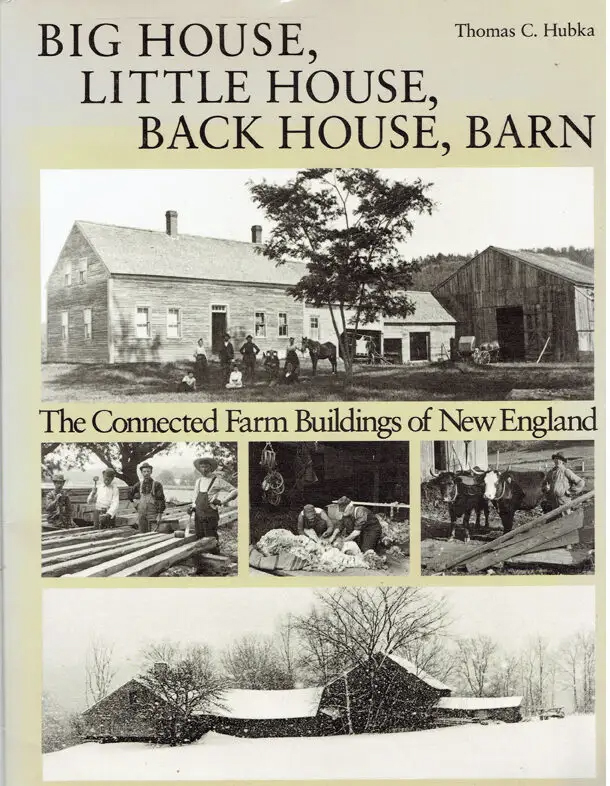
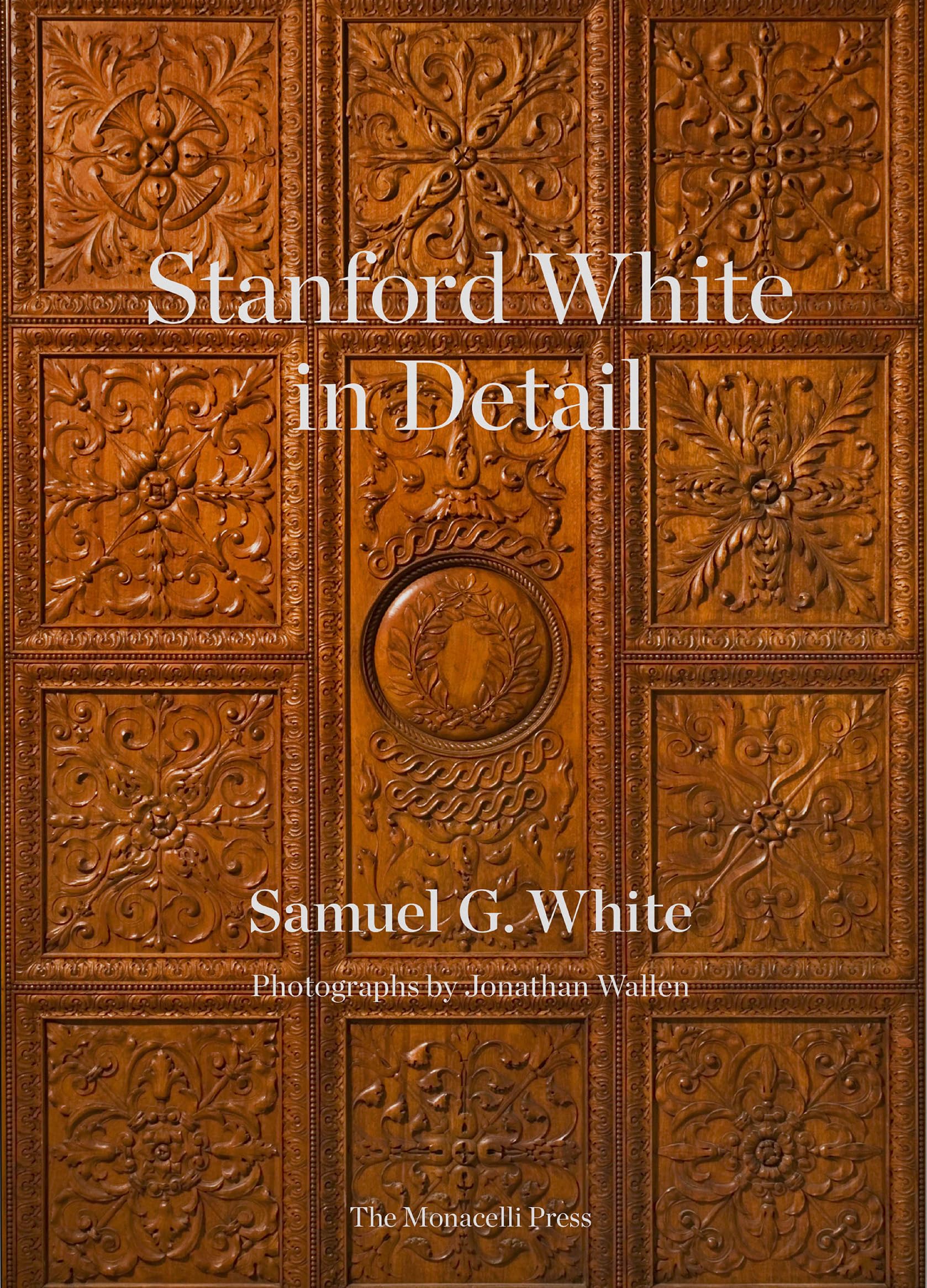
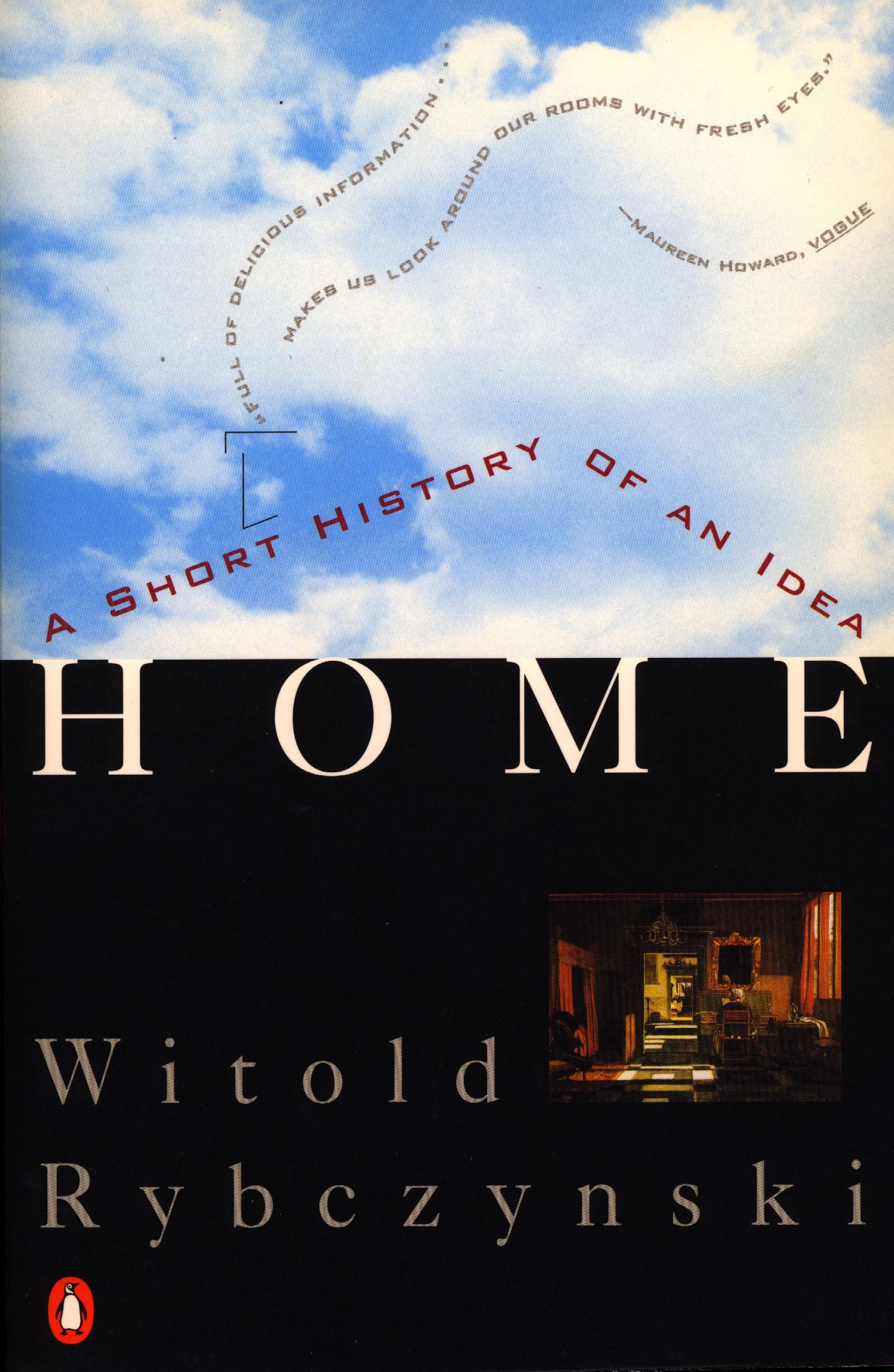
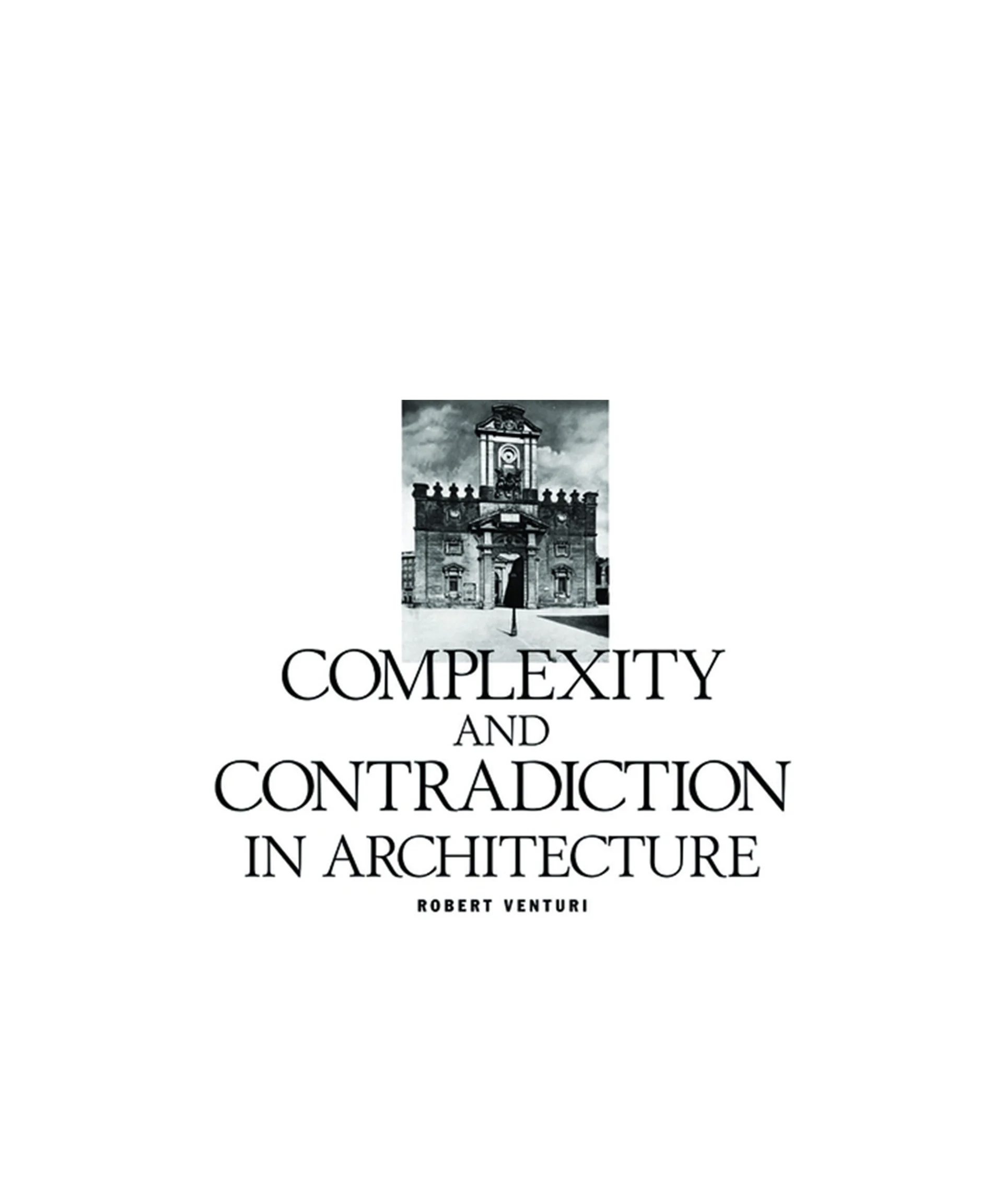
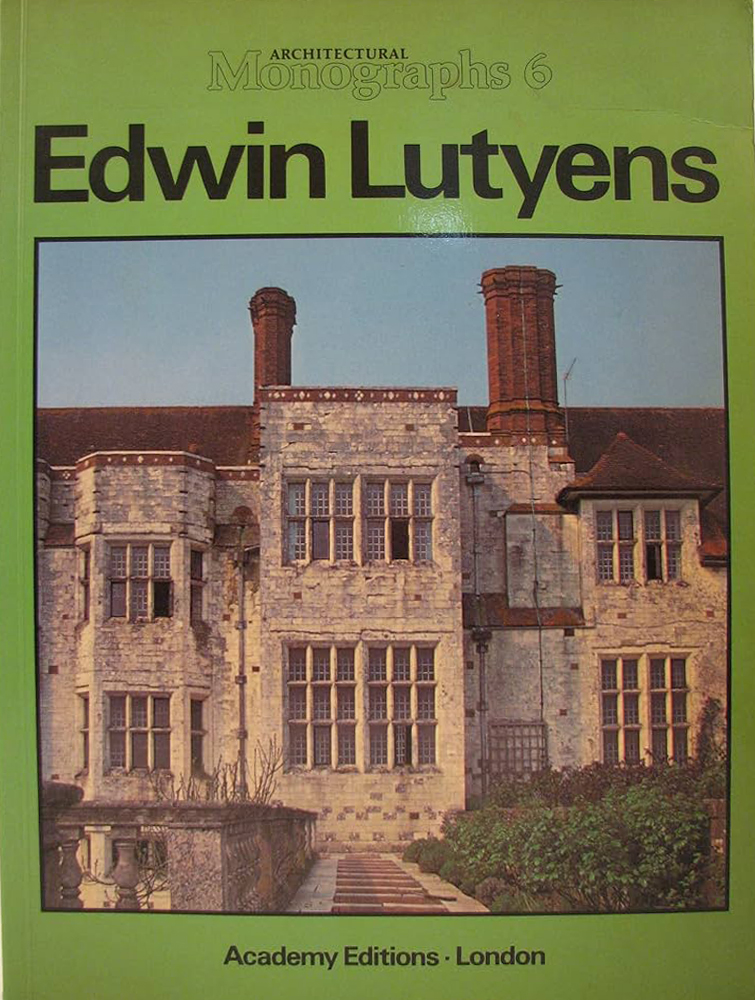
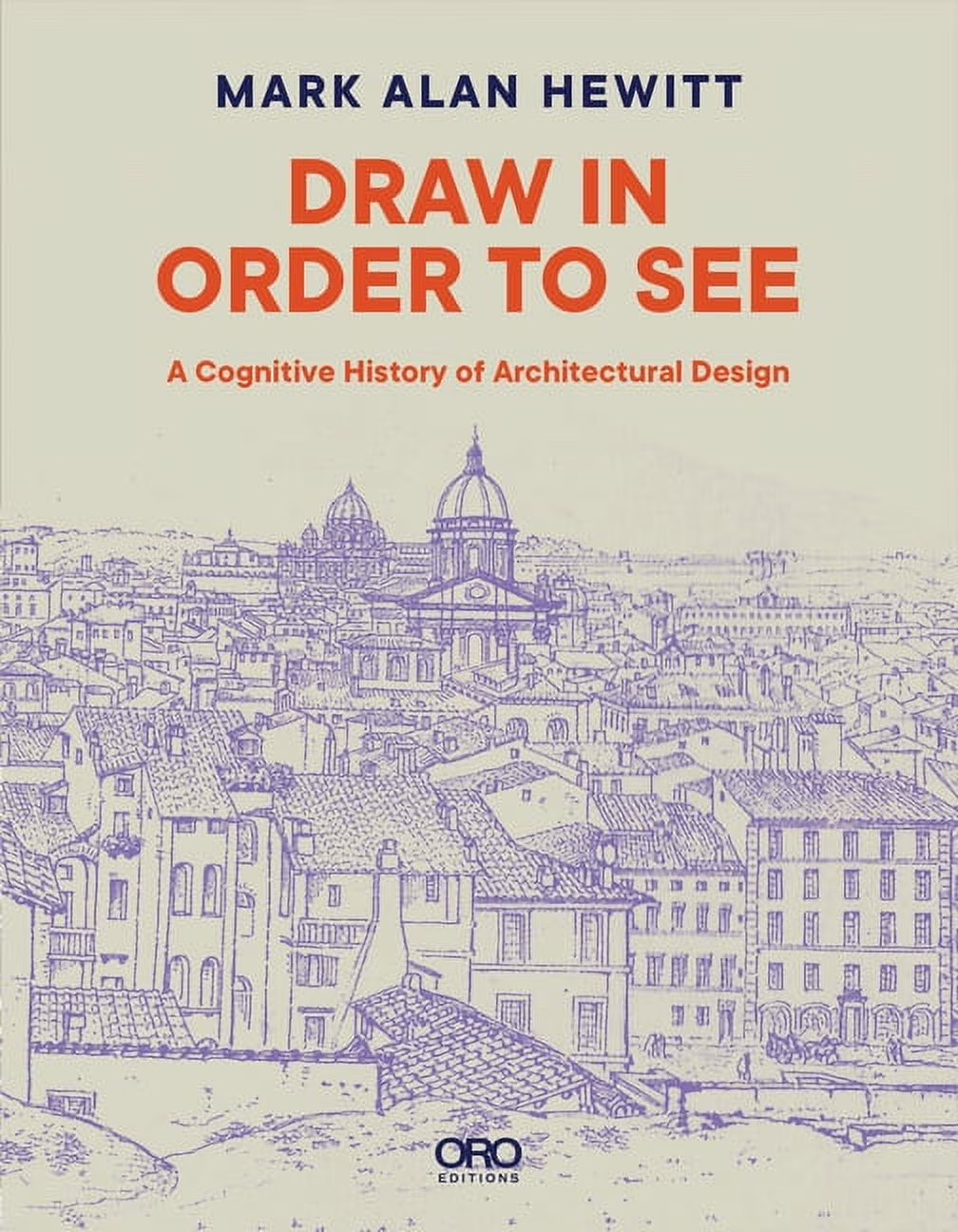
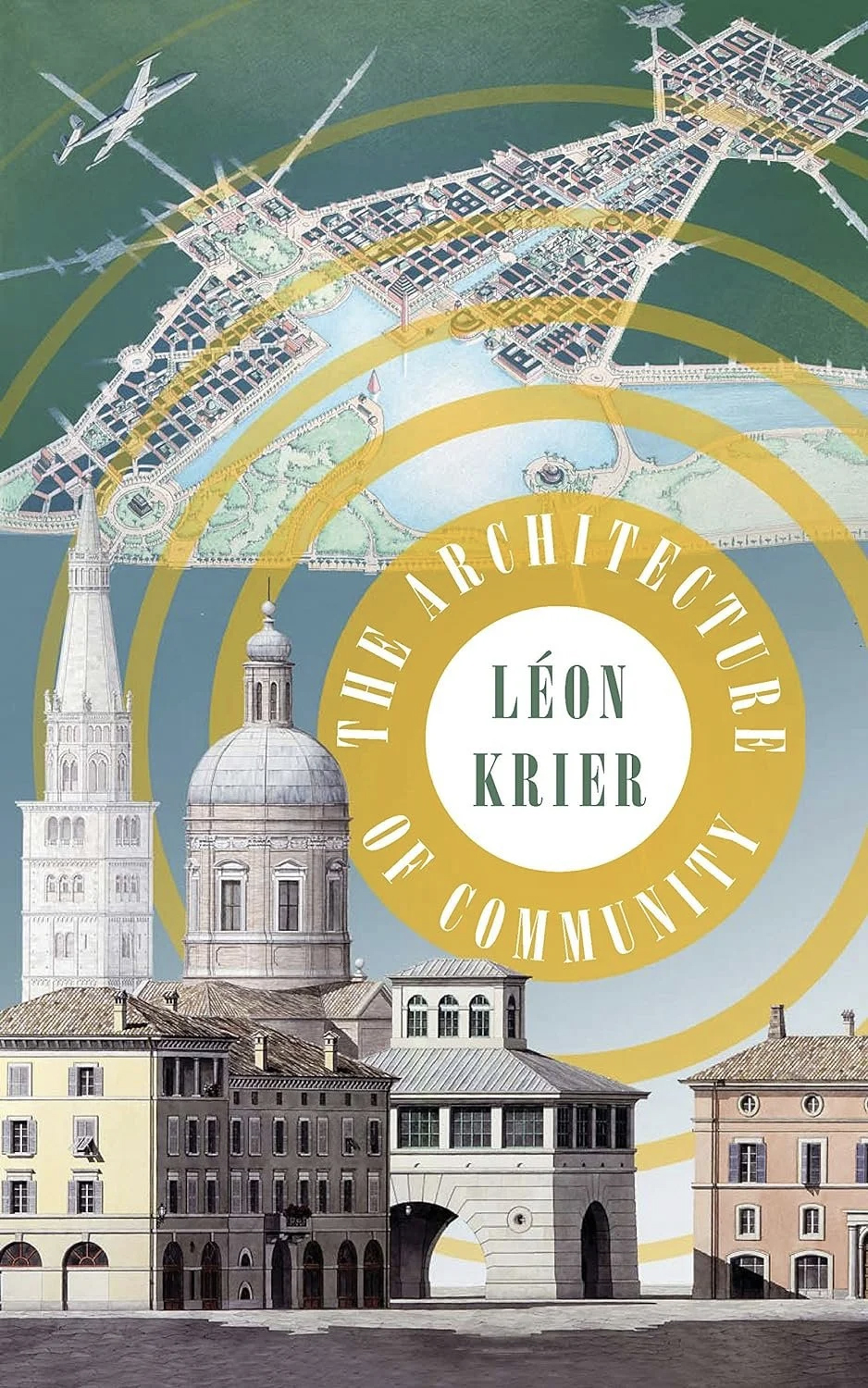
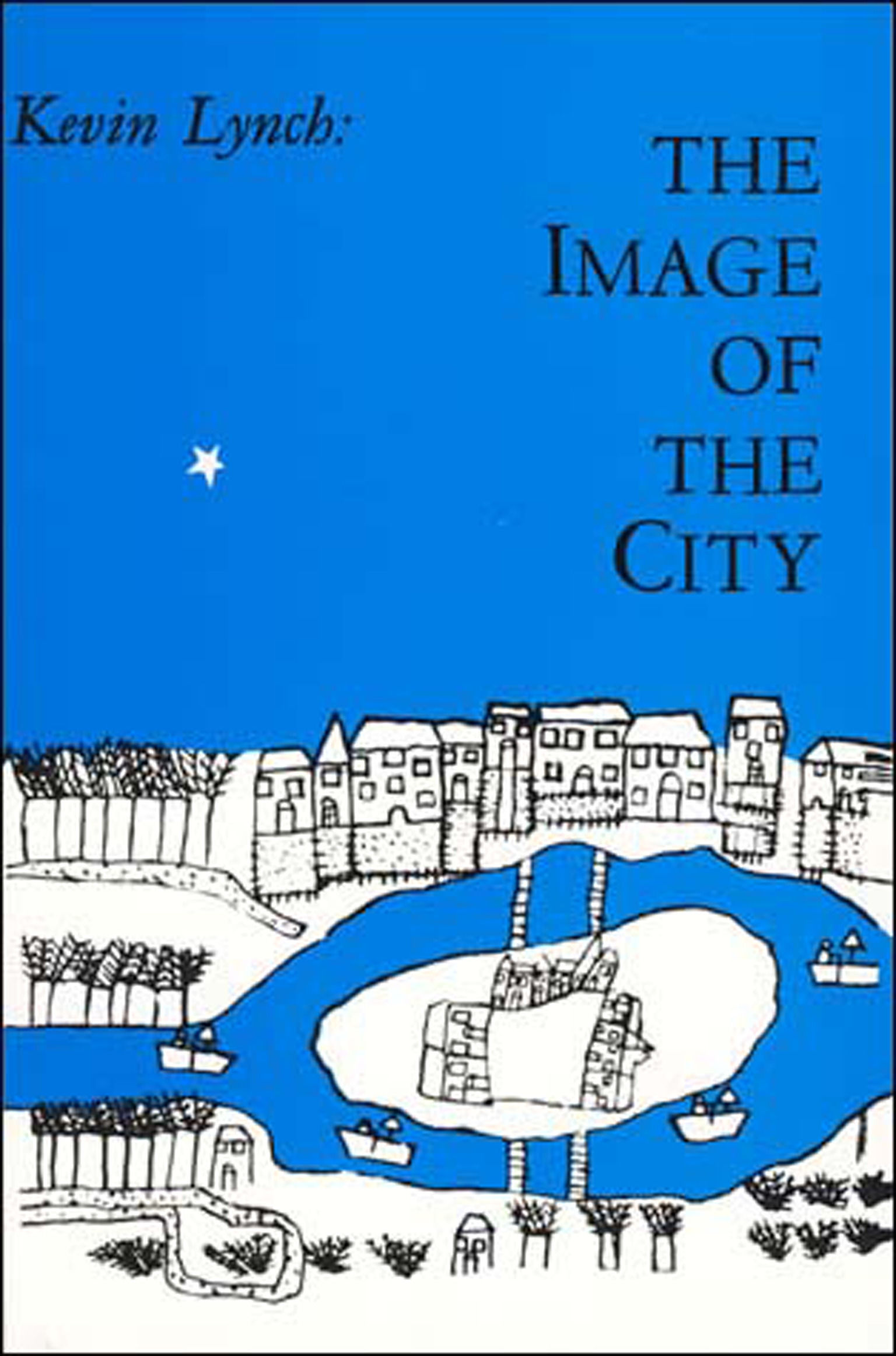
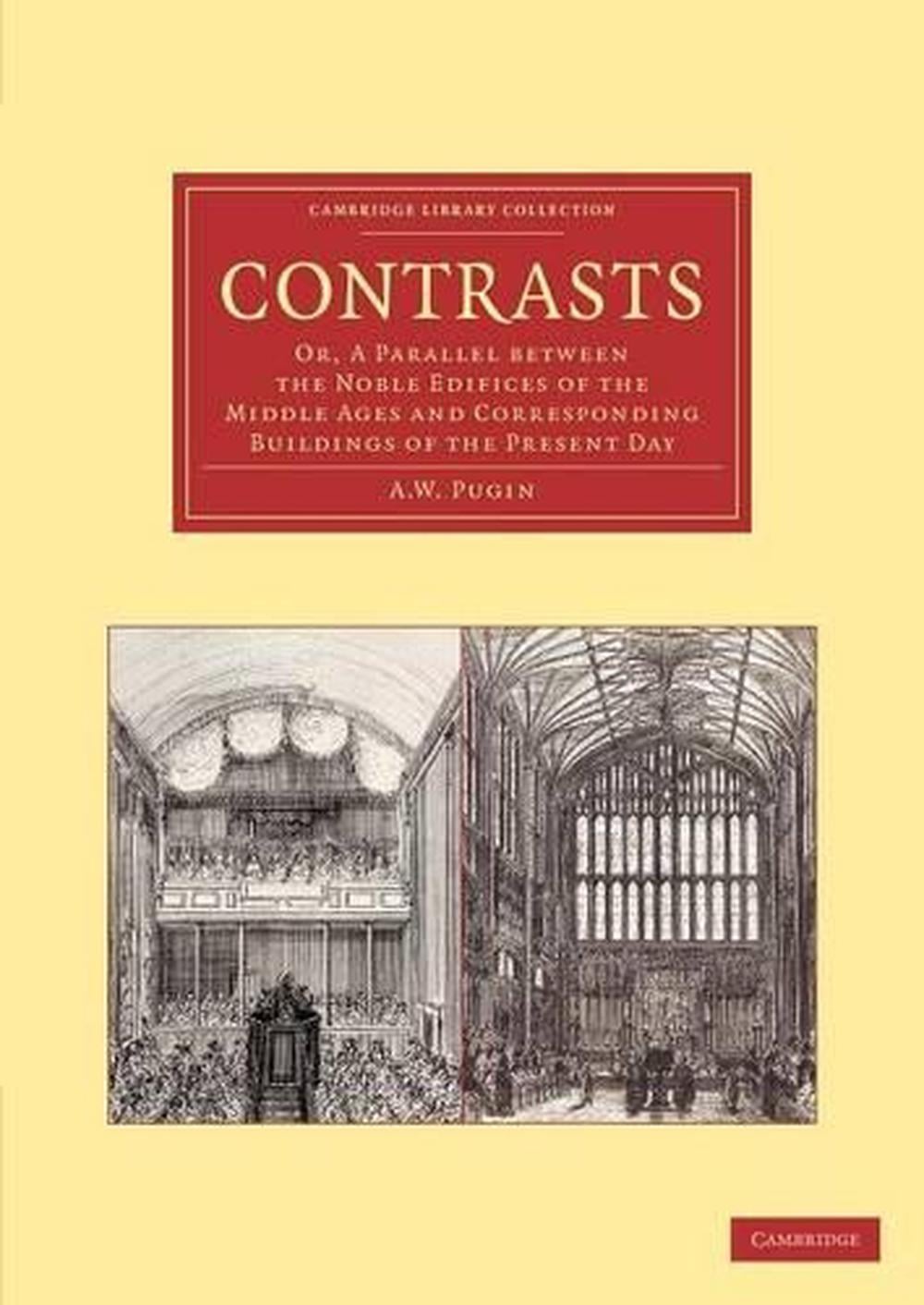
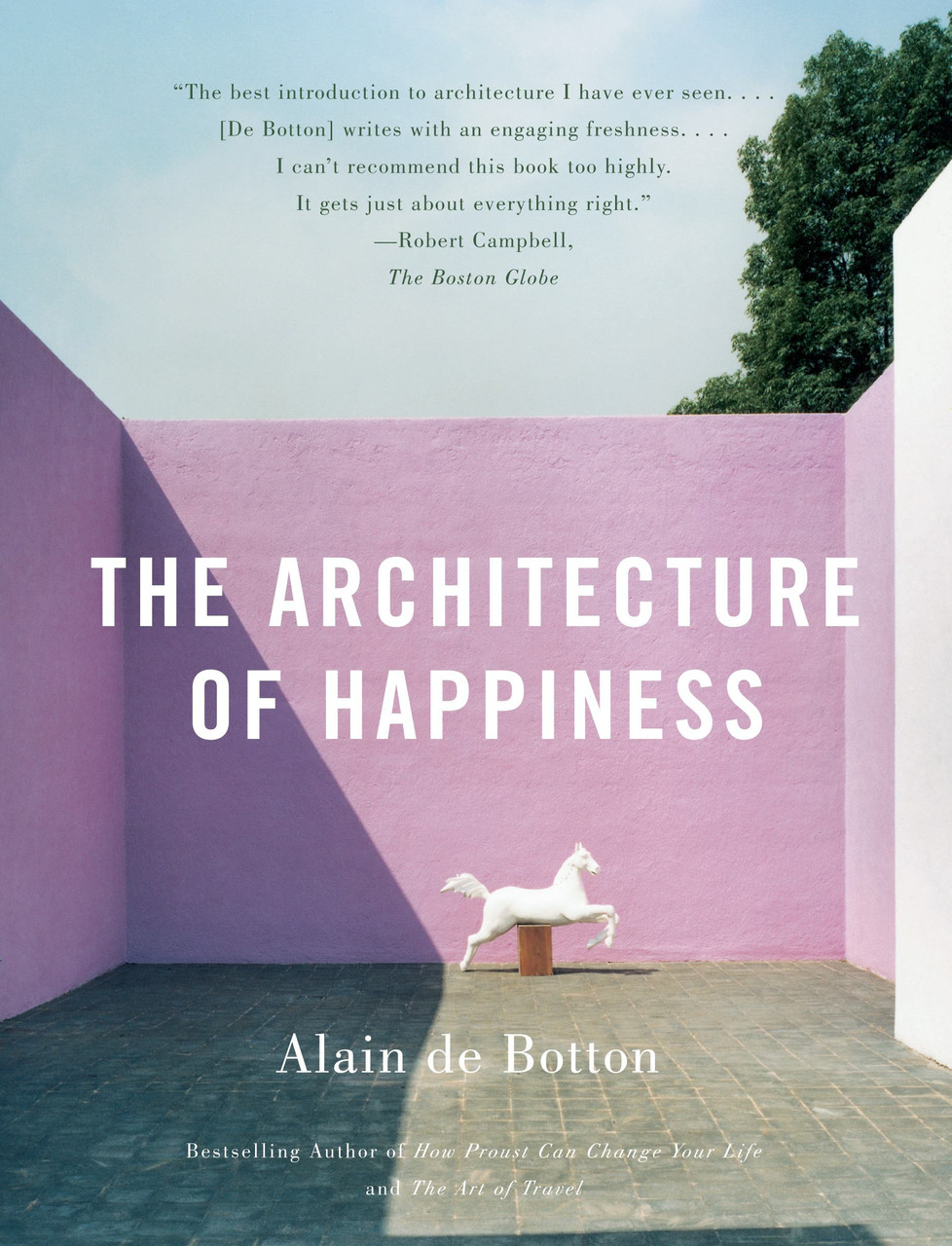
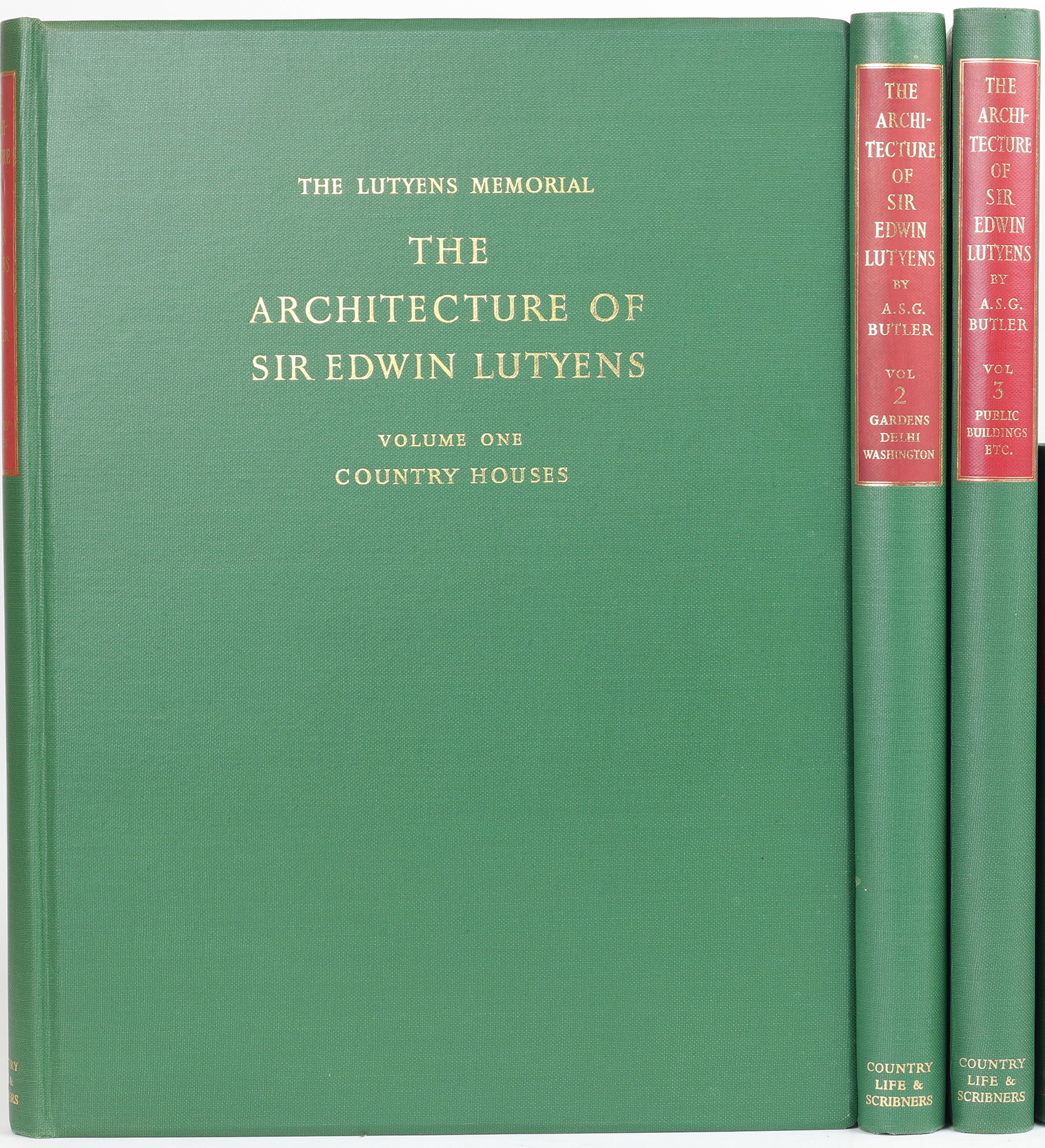
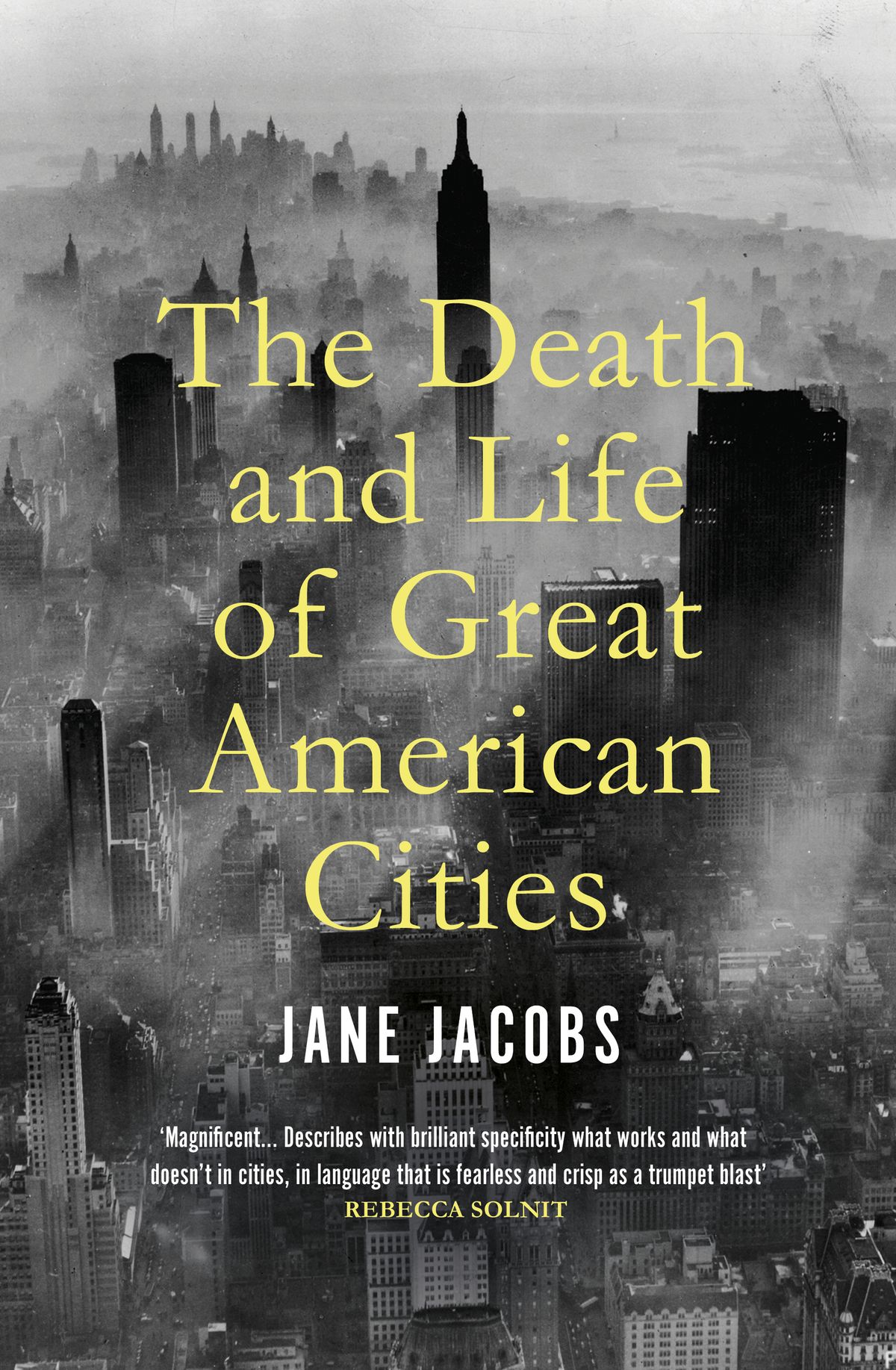
Recently we assembled several book lists from Jacob Albert, John Tittmann, and myself. Each list contains ten books. I figured that if “ten books on architecture” was good enough for Vitruvius, it works for us as well. These lists represent part of the intellectual lineage that has shaped the way we think.
Most of these books were written between the 1970s and the early 2000s. Many are now more than forty years old, yet they remain strikingly relevant.
A few themes run consistently through them:
- Architecture is a language.
- Design is human-centered.
- Drawing matters.
The authors are careful observers of the physical world. They attend closely to the human body and to lived experience. They remind us that beauty is real, that buildings communicate meaning, and that architecture carries associative power. As John Ruskin once suggested, a house must do two things: provide shelter and speak to us.
We are creating a place in the office for these books and lists. My hope is that it becomes more than a small collection assembled by a few of us. I encourage everyone to think about their own list. It may not be ten books—it may be only one or two. Write them down. Share them. Add them to the shelf.
Over time, this shelf might grow into something larger: a collective record of ideas, influences, and curiosities—a kind of shared intellectual landscape for the office.
Legacy is not only the buildings we leave behind. It is also the ideas we carry forward.